
Trace Fluvanna Former Property Owners
To trace past owners of a Fluvanna County parcel, begin at a deed you can confirm and link each grantor to the earlier instrument by which that party took the land. Keep the legal description next to every name you collect. Fluvanna deeds mix older rural descriptions with newer subdivision references, so a street address alone rarely carries a parcel cleanly through time. The table below is a working trail for your own Fluvanna County property search. It is not a sample chain, and it invents no names or dates.
| Source | Years It Covers | Where Held | What It Shows |
|---|---|---|---|
| Current instrument | Use the recorded date shown on the deed | Fluvanna Clerk land index | Grantee, grantor, description, and reference |
| Prior conveyance | Repeat backward until the needed period | Clerk grantor-grantee index | Previous grantor and matching tract language |
| Historic land and plat files | 1777 to present per SRA statement | Clerk SRA and courthouse | Older deed, plat, will, or estate references |
| Tax-map sheets | Published set; historic dates not verified | Commissioner of the Revenue | Map context for a parcel or subdivision change |
The SRA index is the first remote route. The Fluvanna Clerk states that land, will, and plat records were converted back to 1777. Images require a subscription. When an index entry will not open, or a book reference reads unclearly, contact the Clerk and ask about the official record and the scanned index book. The Library of Virginia offers a second archival route to Fluvanna County records, though its local collection years still call for catalog work.
Walk the Fluvanna Deed Chain Backward
Every prior-owner step rests on the parties named in the recorded instrument, never on a guess drawn from a street address. Search the current owner of record as grantee first. Read the grantor named on that deed. Then search the earlier period with that same person as grantee. Compare dates and the parcel description at every handoff. If a Fluvanna parcel was split, merged, or converted from a farm description into platted lots, lean on the recorded plat and tax-map references to keep the chain anchored to the same land.
- Locate the current deed by the owner’s name and confirm that the legal description matches the parcel.
- Record its date and reference, then note the grantor named as conveying the tract.
- Search that grantor as a grantee in the earlier index and inspect the next matching conveyance.
- Repeat, checking estate files and plats when the transfer was made by a fiduciary or the land was divided.
- Grantor
- The party who conveyed an interest in the deed being read.
- Grantee
- The party who received the interest and may appear as a grantor in a later deed.
- Chain of title
- The ordered links of recorded conveyances associated with the same parcel.
- Legal description
- The deed or plat wording that identifies the land more precisely than a postal address.
How Far Fluvanna Ownership Records Reach
According to the Clerk's SRA, land records reach back to Fluvanna County's founding in 1777. Wills and plats reach that far too. That depth makes the county's deed records a genuine historical resource. Still, the Clerk publishes no complete accounting of every book, image run, or imaging cutover year. No courthouse fire or other record-loss event appears in the county's own history. Treat 1777 as a starting point, not a promise of a flawless digital chain. When a deed-chain result turns uncertain, ask the Clerk for help. Request the index-book reference and the original courthouse volume.
Coverage note. The Clerk says land, will, and plat records reach back to Fluvanna’s 1777 inception. Exact image and index runs were not verified, so ask the Clerk about any unresolved volume reference.
Fluvanna Index Books and Images
The Fluvanna SRA describes a newer remote site with full-system search and imaging. The scanned index-book portion remains unchanged. Without subscriber access, the exact grantor, grantee, document-type, and parcel search fields stay unknown. Start with the name and reference you can confirm. If an image will not open, ask the Clerk. Have the book, page, or document number ready. A search miss does not mean the older paper record is missing. Remote images require a written agreement and advance payment, and the Clerk issues the credentials. A PDF reader displays the document. The courthouse holds the official record. Where a digital image stays unclear, follow the Clerk's guidance. Follow the index-book reference too, rather than an unsourced transcription. See the Fluvanna SRA record-set page.
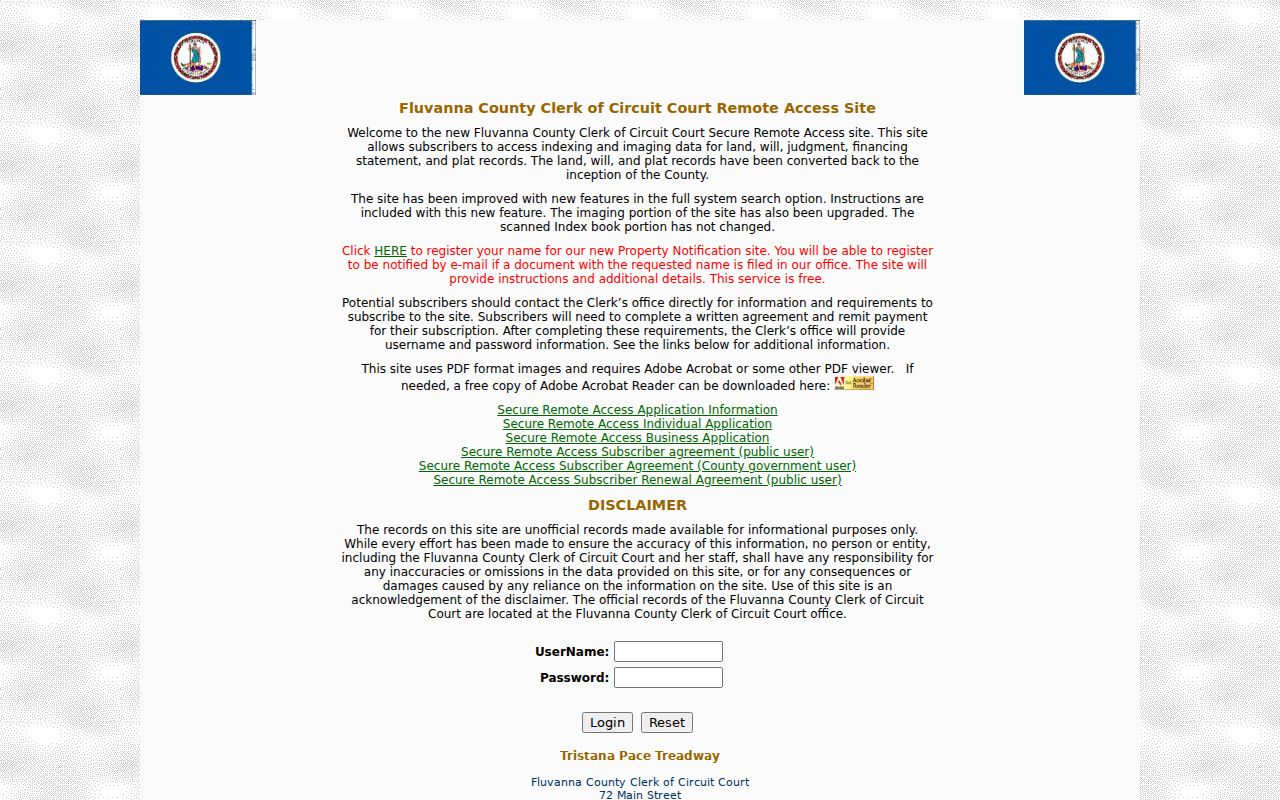
The screenshot shows the subscriber entry point, not a sample transfer chain.
Resolve Fluvanna Name Variants
Older Fluvanna deeds may carry initials, alternate spellings, married names, or fiduciary captions. Search several forms when the chain stalls. A name alone never identifies a former owner. Match the parcel description, the county, the deed date, and the grantor-grantee relationship. Note any referenced plat before accepting a hit. A near-identical name on a different tract is a classic false match. For an LLC or trust, copy the legal entity or trustee wording straight from the current deed. An estate may surface under a decedent, an executor, an administrator, or a commissioner. Those roles explain a transfer without making each listed person an individual owner of record. Note every record reference separately. An uncertain name never gets folded into the confirmed Fluvanna deed chain.
Fluvanna Probate Can Break the Chain
A death transfer rarely looks like an ordinary sale. A will, probate file, executor or administrator deed, commissioner's deed, court order, survivorship conveyance, or later fiduciary deed can each carry the parcel. A will states testamentary intent. But it is not itself the conveyance in the land chain. Read the Clerk's will and land records together. Then verify the instrument that moved the specific parcel. Vital records supply separate proof of a death event. Virginia limits access to current certificates and opens death records after 25 years. A certificate never defines the full title interest or replaces an estate deed. The Fluvanna Clerk's page links estate administration resources. Ask directly about forms, appointments, and copy costs. Historical county material can also be searched through the Library of Virginia catalog. Exact local collection years call for your own catalog check.

The state catalog is an archival route only. Confirm the collection and year range first. For eligible applicants and records inside the public access window, the Virginia Department of Health vital-records office explains how to reach a certificate.
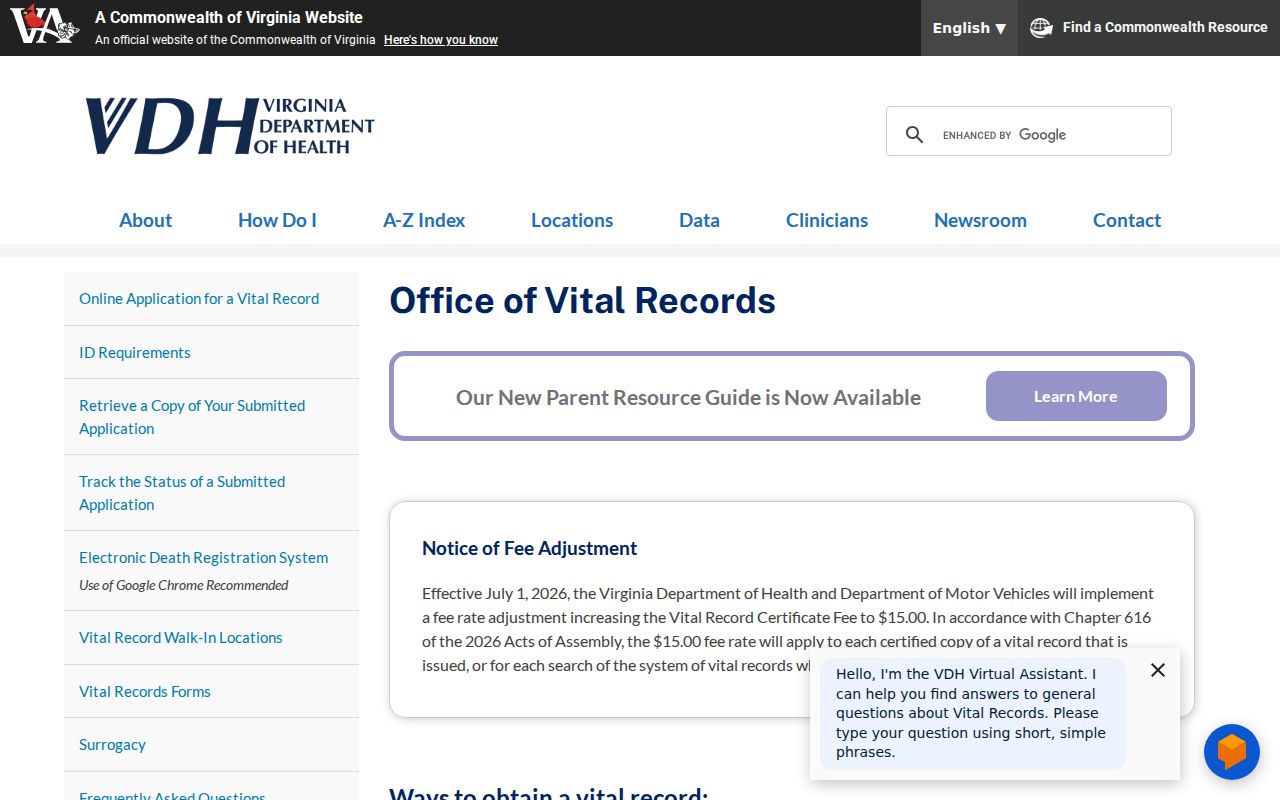
A death certificate proves that someone died. It says nothing about how title to a particular Fluvanna parcel passed from that person to the next owner of record.
Use Fluvanna Plats for Parcel Changes
Old deeds rarely use modern tax-map numbers. A farm that reads as one tract in a decades-old deed may appear today as a dozen subdivision lots, or as a parcel reshaped by a boundary-line adjustment. That is why plat research matters. The Circuit Court Clerk holds Fluvanna's recorded plats. The county GIS subdivision layer and the tax-map PDFs can point you toward the right sheet. Compare names, lot or tract descriptions, and recording references. Do not trust the current polygon alone. The Commissioner's tax-map page posts an index along with book and map PDFs, including sheets numbered 4A, 17A, and 18A. When an old map and the current parcel refuse to line up, ask for the recorded plat that created the lot. Then request the deed that conveyed it. Open the Fluvanna tax-map index and book to start.
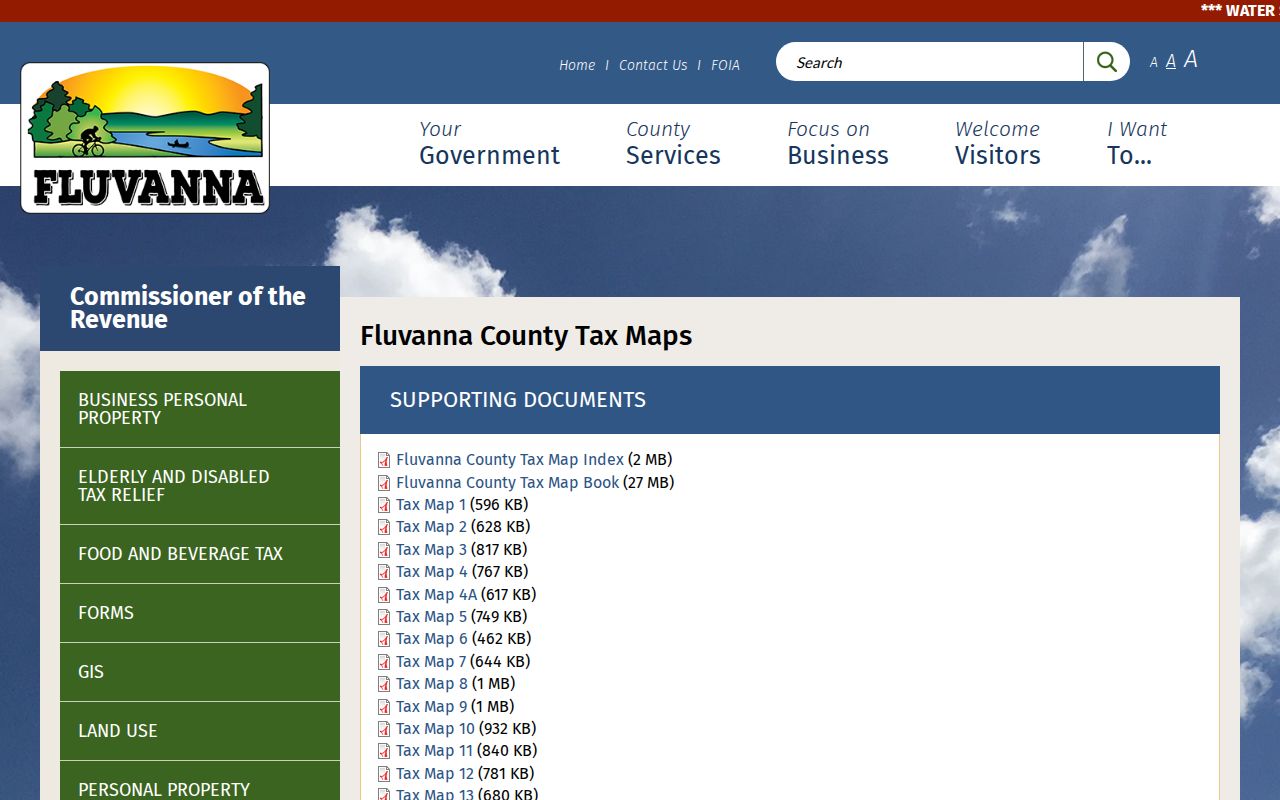
Only the Clerk's filed plat is the recorded map.
Fluvanna Courthouse Research Route
Start with the SRA. When it cannot settle a historical question, the Circuit Court Clerk at 72 Main Street, Suite A, in Palmyra is the next stop, reachable at 434-591-1970. Public service runs 8:00 to 4:30 on weekdays. Recording and fee acceptance stops at 4:00. Weather and holidays can change access hours. Before you go, gather the parcel's current and older legal descriptions, every name you have already checked, and the index references you want staff to pull. Fluvanna's Clerk records go back to 1777. Which books exist and where scanned images have gaps varies by volume. A careful request can ask whether a paper volume, index book, plat, or estate file supplies the missing link. Costs depend on the request. Certification is optional. The Fluvanna deed copy and access page covers the current copy channels, and the Fluvanna Circuit Court Clerk contact page has details to confirm before a visit.
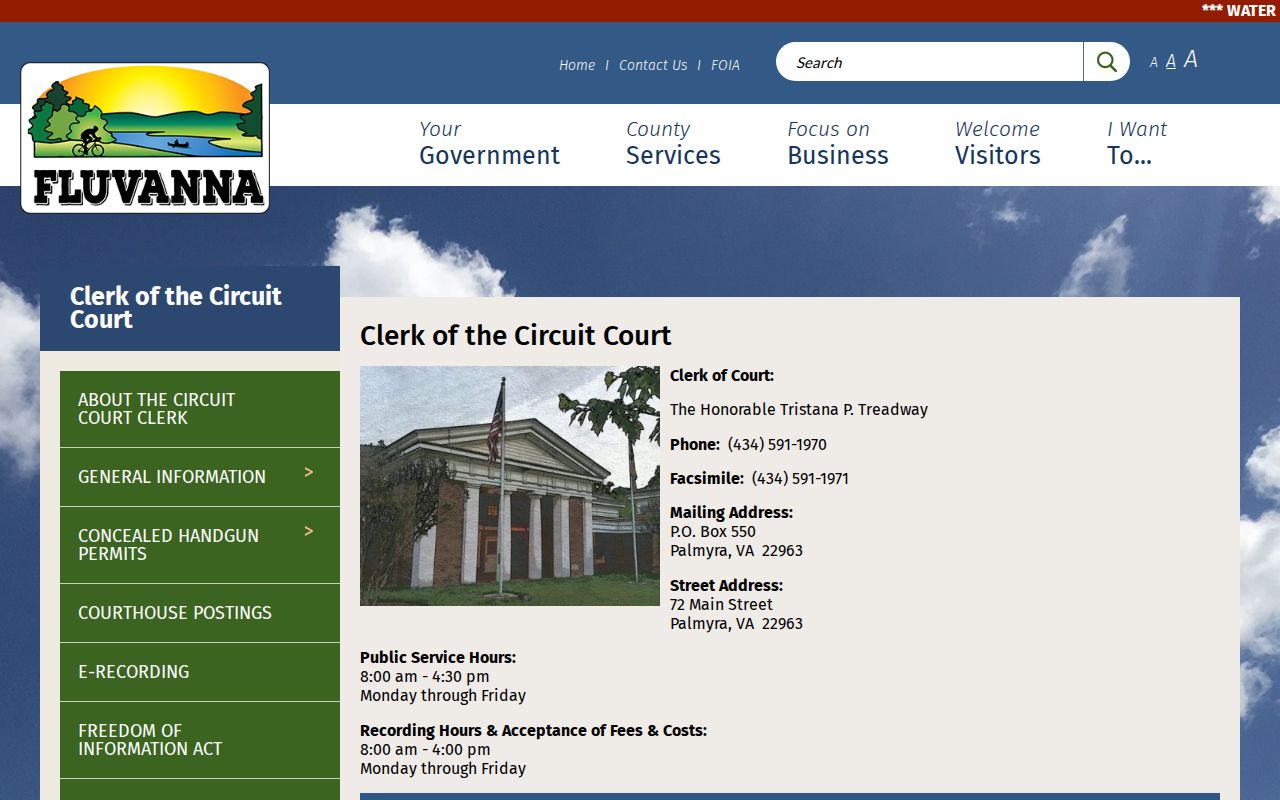
For confirmation, the Clerk's office is the official route.